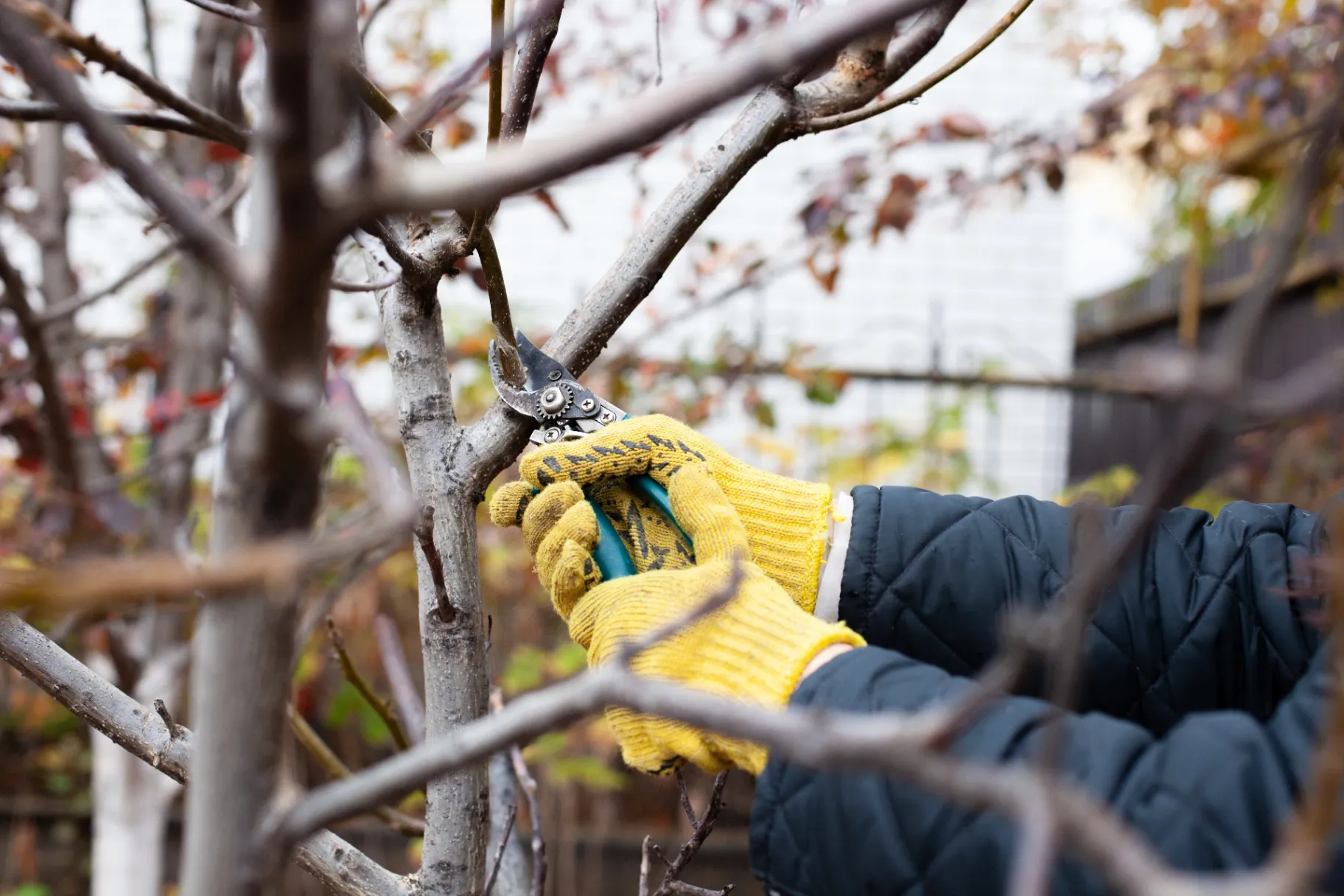
How to Prepare Your Trees for Winter
As winter approaches, it's crucial to prepare your trees for the cold weather ahead. Proper winter preparation can help ensure the health and longevity of your trees, preventing damage from harsh conditions. In this guide, we will cover essential tree care tips to protect your trees during the winter months.
Understanding the Importance of Winter Tree Preparation
Winter can be particularly harsh on trees, especially in areas that experience heavy snow, ice, and freezing temperatures. Preparing your trees for winter is essential because:
- Reduces the risk of cold damage.
- Minimizes the impact of snow and ice on branches.
- Promotes healthy growth in the spring.
- Prevents pest infestations.
Key Steps for Winter Tree Preparation
1. Assess Your Trees
Before winter sets in, conduct a thorough inspection of your trees. Look for:
- Dead or damaged branches that need pruning.
- Signs of disease or pest activity.
- Structural issues that could lead to breakage under snow load.
2. Prune Wisely
Pruning helps to remove weak branches and promotes healthy growth. When pruning for winter:
- Remove any dead or diseased branches.
- Cut back overgrown branches to maintain shape.
- Avoid heavy pruning late in the season, as this can stimulate new growth that won't survive the cold.
3. Mulch and Fertilize
Applying mulch around the base of your trees can help regulate soil temperature and retain moisture. Additionally, fertilizing your trees in the fall can provide them with the nutrients needed for a strong start in spring.
- Use organic mulch, such as wood chips or bark.
- Apply a 2-4 inch layer of mulch, keeping it away from the trunk.
- Consider a slow-release fertilizer to nourish roots.
4. Watering Before Frost
Trees need adequate water before the ground freezes. Ensure your trees are well-watered in the fall, especially during dry spells.
5. Protect Young Trees
Young trees are particularly vulnerable to winter conditions. Consider these protective measures:
- Wrap trunks with tree guards to prevent bark damage from frost and animals.
- Use stakes to support young trees against strong winds.
- Cover the root zone with mulch.
Monitoring Your Trees During Winter
Once winter arrives, keep an eye on your trees. Be vigilant for signs of stress, such as:
- Brittle branches that may snap under snow weight.
- Fungal growth or unusual discoloration.
- Pest activity, particularly around the base of the tree.
Conclusion
Preparing your trees for winter is a vital part of tree care. By assessing, pruning, mulching, and watering your trees, you can ensure they survive the cold months and thrive in the spring. If you need assistance, consider reaching out to professionals like Benji Tree Services for expert advice tailored to your specific tree care needs.