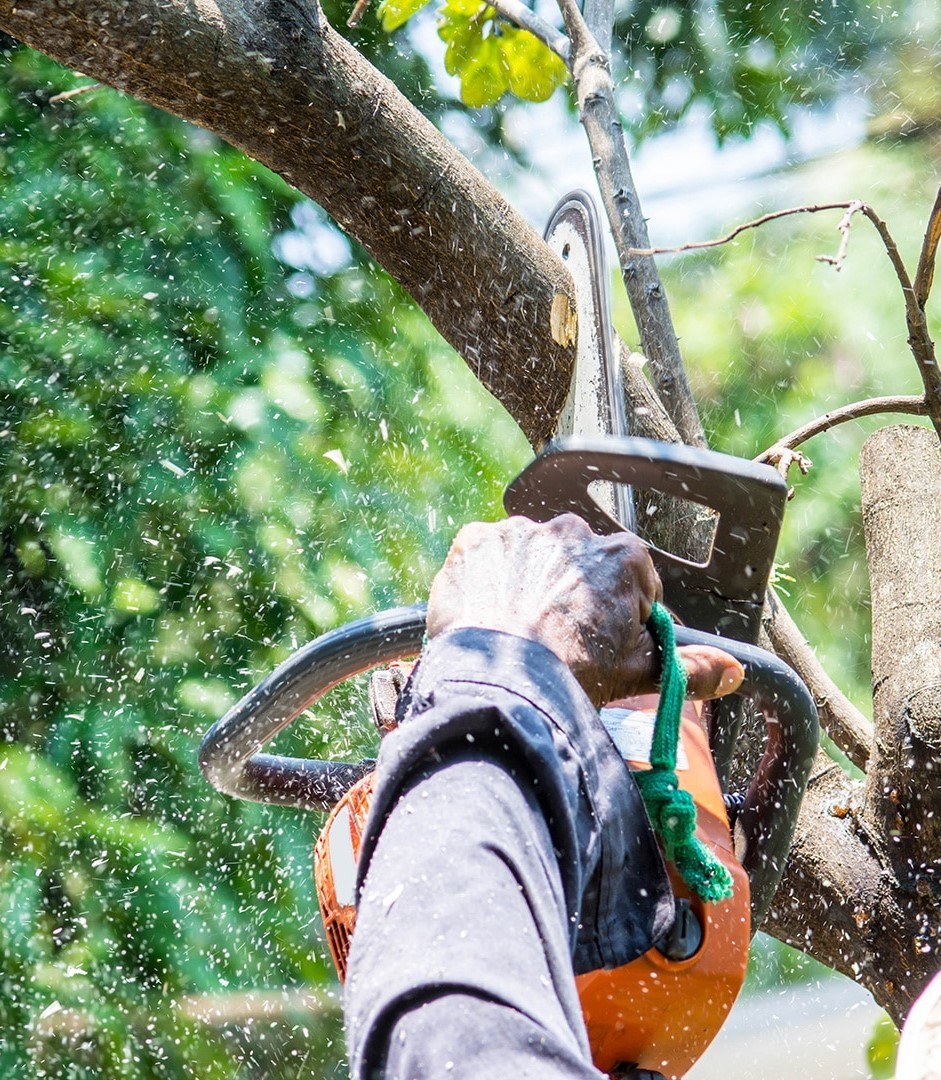
The Importance of Tree Trimming Before Winter
As the temperatures drop and winter approaches, tree trimming becomes an essential task for homeowners and property managers. Properly maintaining your trees not only enhances their appearance but also boosts their health and longevity, especially as they brace for the harsh winter conditions.
Why Tree Trimming Matters
Tree trimming is a critical maintenance task that should not be overlooked. Here are a few reasons why it's important:
- Promotes healthy growth: Trimming helps remove dead or diseased branches, allowing for better airflow and sunlight penetration.
- Enhances safety: Removing overgrown branches reduces the risk of falling limbs during winter storms.
- Improves aesthetics: A well-trimmed tree looks more appealing and can enhance the overall landscape of your property.
- Prevents pest infestations: Trimming can remove areas where pests might reside, reducing the likelihood of infestations.
Timing is Everything: When to Trim Your Trees
The timing of tree trimming is crucial for its effectiveness. Here’s a guide on when to schedule your tree trimming:
- Late summer to early fall: The best time to trim most trees is late summer or early fall, before the winter frost.
- Avoid winter: Trimming during winter can stress trees, making them more susceptible to damage from cold temperatures.
- Spring trimming: If you have flowering trees, it's best to trim them right after they bloom to avoid cutting off new growth.
The Benefits of Winter Tree Trimming
While it is generally recommended to trim before winter, there are specific benefits to trimming during the winter months:
- Visibility: With leaves gone, it’s easier to see the structure of the tree, making it simpler to identify branches that need trimming.
- Less stress on trees: Trees are dormant during winter, so trimming at this time can minimize stress and promote healthier regrowth in spring.
- Better access: Frozen ground conditions can provide easier access to tree roots and trunks, allowing for more efficient trimming.
How to Prepare for Tree Trimming
Preparing for tree trimming involves several steps to ensure the job is done safely and effectively:
- Assess your trees: Identify which trees need trimming and the extent of the work required.
- Gather tools: Ensure you have the right tools, such as pruning shears, chainsaws, and safety gear.
- Hire a professional: For larger trees or complex jobs, consider hiring an experienced arborist to handle the trimming safely.
Common Mistakes to Avoid
Tree trimming can be tricky. Here are some common mistakes to avoid:
- Over-trimming: Removing too many branches can harm the tree's health and lead to stress.
- Ignoring safety precautions: Always wear protective gear and ensure your workspace is clear of hazards.
- Trimming at the wrong time: Avoid trimming during the tree’s active growth phase unless absolutely necessary.
Conclusion
Tree trimming is vital for maintaining the health and safety of your trees, especially before winter. By understanding the importance of tree trimming, the best times to perform it, and how to prepare, you can ensure that your trees remain healthy, safe, and beautiful all winter long. For professional assistance, consider reaching out to experts like Benji Tree Services, who can provide tailored solutions for your tree care needs.