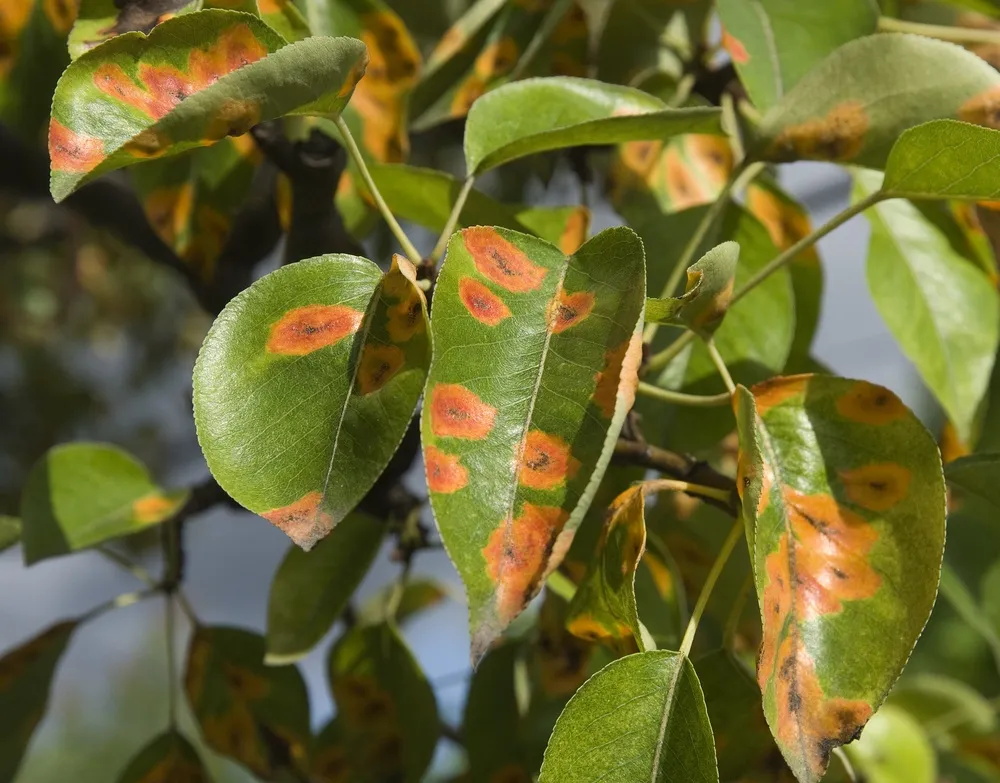
How to Identify Tree Diseases
Trees are a vital part of our ecosystem, providing shade, beauty, and a habitat for wildlife. However, like any living organism, trees are susceptible to diseases that can compromise their health and longevity. Understanding how to identify tree diseases early can prevent further damage and even save your trees. In this guide, we will explore common signs of tree diseases, their causes, and what actions you can take to protect your trees.
Common Signs of Tree Diseases
- Discolored leaves (yellowing, browning, or spots)
- Wilting or drooping leaves
- Excessive leaf drop
- Cracked or peeling bark
- Mushrooms or fungal growth at the base of the tree
- Unusual growths or galls on leaves or branches
- Dead branches or entire sections of the tree
- Stunted growth or poor leaf development
Common Tree Diseases and Their Symptoms
1. Powdery Mildew
Powdery mildew is a fungal disease that appears as a white powdery substance on leaves and stems. It thrives in warm, dry conditions and can cause leaves to distort and drop prematurely.
2. Root Rot
Root rot is caused by overwatering or poor drainage, leading to the decay of the tree's roots. Symptoms include yellowing leaves, stunted growth, and a foul smell from the soil.
3. Leaf Spot
Leaf spot diseases, caused by various fungi and bacteria, result in dark spots on leaves. Affected leaves may yellow and drop prematurely, impacting the tree's overall health.
Causes of Tree Diseases
- Fungal infections
- Bacterial infections
- Insect infestations
- Environmental stress (drought, flooding)
- Nutrient deficiencies
- Improper pruning or maintenance
How to Diagnose Tree Diseases
Diagnosing tree diseases can be complicated, but here are some steps to help you identify potential issues:
- Examine the leaves: Look for discoloration, spots, or wilting.
- Check the bark: Look for cracks, peeling, or unusual growths.
- Inspect the roots: Gently dig around the base to check for rot or pests.
- Observe the tree's overall shape and growth: Note any stunted growth or dead branches.
- Research known diseases in your area: Certain diseases are more prevalent based on location and tree species.
Preventing Tree Diseases
- Ensure proper watering and drainage to avoid root rot.
- Fertilize regularly to provide necessary nutrients.
- Prune trees correctly to promote airflow and remove dead branches.
- Monitor for pests and diseases regularly.
- Maintain a clean garden area to reduce disease spread.
What to Do If You Identify a Tree Disease
If you suspect your tree is diseased, take immediate action to minimize damage:
- Isolate the infected tree to prevent disease spread.
- Consult a certified arborist for a professional diagnosis.
- Follow recommended treatment plans, which may include pruning, fertilizing, or applying fungicides.
- Consider removing severely affected trees to protect surrounding plants.
Conclusion
Identifying tree diseases early is crucial for maintaining the health of your trees and the surrounding environment. By watching for common signs and understanding the potential causes, you can take proactive measures to keep your trees thriving. If you are ever in doubt, don't hesitate to reach out to a professional like Benji Tree Services for assistance. Your trees deserve the best care possible.